Designing Machines That Feel Like Someone
Research Area: Anthropomorphism, RAP Lab
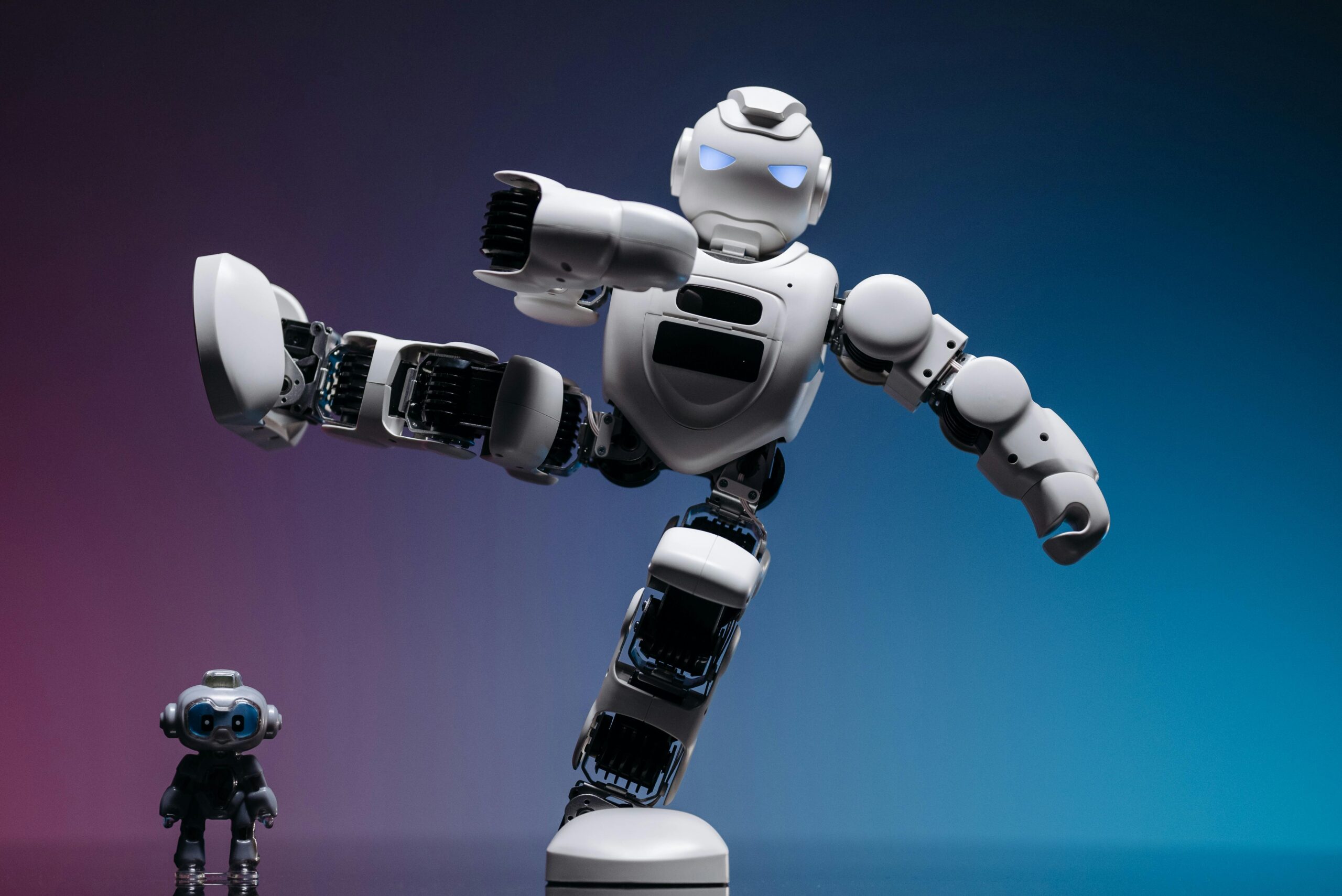
It doesn’t take much. A name. A pair of eyes, even simplified ones. A voice that pauses before it answers, the way a person does when they’re thinking. None of these things make a machine intelligent, and none of them make it alive. But they’re often enough to make it feel like somebody, and that feeling changes everything about how we treat it.
This is the core puzzle behind anthropomorphism research: humanlike cues are cheap to add and expensive in their effects. A robot doesn’t need a convincing face to get treated like a social being. Research going back to the 1990s Stanford Media Equation studies found that even the crudest signals, a beep at the wrong time, a screen that seems to “watch” you, are enough to trigger the same social reflexes we use on people. We know, consciously, that we’re talking to a machine. Some older, faster part of the brain doesn’t care.
That gap between what we know and what we feel is where design choices matter most. Give a device a name and people apologize to it when they bump into it. Give a chatbot a slight delay before responding and people read intention into the pause. Give a robot a downward tilt of its “head” and people describe it as sad, even though nothing about the mechanism corresponds to sadness. None of this is accidental. Every one of these cues is a lever, and whoever builds the machine is choosing, deliberately or not, how strongly to pull it.
That’s also where the responsibility sits. A machine designed to feel like someone earns benefits a plain tool never gets: patience when it fails, forgiveness when it’s wrong, attention when it speaks. Those are powerful things to hand a product, and they can be used well, a companion robot that genuinely eases loneliness, a health assistant people actually listen to, or used to manufacture trust and affection a system hasn’t earned. The line between the two often comes down to whether the humanlike design serves the person using it, or just serves engagement.
The RAP Lab studies this design space directly: which cues trigger which social responses, how strong those effects are, and where the ethical line sits between helpful humanlike design and manipulative humanlike design. As artificial persons become more common in homes, workplaces, and care settings, the question stops being whether we can make machines feel like someone. We already can, cheaply. The real question is what kind of someone we’re choosing to make.
This piece is part of the RAP Lab’s ongoing research into trust, persuasion, and anthropomorphism in human interactions with social machines. Learn more about our research areas at raplab.ca.